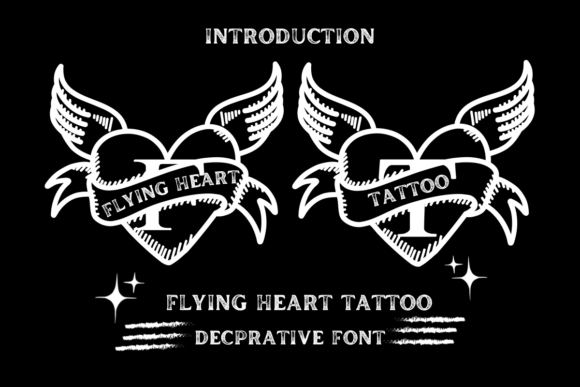
Flying Heart Tattoo Font for Branding
Flying Heart Tattoo is a cool and unique decorative font that offers small business owners a distinct way to communicate personality through their visual identity. When you add it to your creative ideas, you will love the results because it instantly transforms standard text into a statement piece. For entrepreneurs running boutiques, cafes, or online shops, selecting the right fonts is not just about aesthetics; it is about building trust and recognition. This typeface serves as a powerful tool for creating a cohesive brand image that resonates with customers who value creativity and authenticity.
Using Flying Heart Tattoo for Memorable Logo Design
Flying Heart Tattoo brings an expressive energy to logo design, making it an excellent choice for brands that want to stand out in a crowded market. As a decorative typeface, it captures attention immediately, which is crucial for first impressions. Many fonts available today are safe and corporate, but this specific style offers a handcrafted feel that suggests care and individuality. For a handmade jewelry seller or a custom gift shop, using this font in a logo signals that the products are unique and made with passion. It works best as a primary display element where the brand name is short and impactful. By integrating this font into your primary logo, you create a visual anchor that customers can easily recall when they see your packaging or social media posts.
Enhancing Product Packaging with Decorative Typography
Flying Heart Tattoo elevates product packaging by adding a layer of artistic flair that generic fonts simply cannot match. In the retail world, packaging is often the first physical interaction a customer has with your brand. Using a decorative font on labels for candles, soaps, or baked goods can make the product feel more premium and gift-worthy. For example, a small-batch coffee roaster might use this font on a limited-edition bag to highlight the special nature of the blend. The key is to balance the ornate details of the font with clean layout design. When used correctly, it turns a simple label into a collectible item. Business owners should test how the font reads at smaller sizes to ensure that essential information remains legible while the brand name shines.
Flying Heart Tattoo for Social Media Graphics and Ads
Flying Heart Tattoo is highly effective for social media graphics, where stopping the scroll is the primary goal. In the fast-paced environment of Instagram and Pinterest, decorative fonts help your posts stand out against a sea of standard sans-serif text. This font is ideal for quote graphics, promotional announcements, or highlight covers that need to convey a specific mood. For a life coach or a creative consultant, using this font in carousel headers can add a personal touch that aligns with a warm and approachable brand voice. However, it is important to use it sparingly. Overusing a decorative font can reduce readability on mobile screens. Instead, use it for headlines or key phrases, pairing it with a simpler font for the body text to maintain clarity and engagement.
Creating Consistent Brand Identity Across Touchpoints
Flying Heart Tattoo helps establish a consistent brand identity when applied across various customer-facing materials. Consistency builds trust, and using the same decorative fonts on your website, business cards, and email signatures reinforces your professional image. For a boutique hotel or a bed-and-breakfast, this font can be used on welcome signs, menu headers, and key cards to create a unified guest experience. When customers see the same distinctive typography everywhere, it reinforces brand recognition. This consistency makes your business look established and thoughtful. Entrepreneurs should create a brand style guide that specifies exactly where and how to use this font to ensure that every team member or freelancer maintains the same visual standard.
Pairing Flying Heart Tattoo with Readable Body Fonts
Flying Heart Tattoo performs best when paired with complementary typefaces that enhance readability. Since it is a decorative font, it should not be used for long paragraphs of text. Instead, combine it with a clean sans serif font or a classic serif font for body copy. This contrast creates a professional hierarchy that guides the reader’s eye. For instance, a wedding invitation designer might use Flying Heart Tattoo for the couple’s names and a simple, elegant serif font for the event details. This combination ensures that the decorative element grabs attention while the informational text remains easy to read. Experimenting with different pairings can help you find the perfect balance for your specific industry. The goal is to let the decorative font shine as an accent while relying on neutral fonts for functionality.
Testing Legibility for Small Business Applications
Flying Heart Tattoo requires careful testing to ensure it remains legible in various real-world applications. Before committing to this font for your entire brand, print samples on different materials such as matte paper, glossy stickers, and fabric tags. Check how the intricate details of the decorative style hold up when scaled down for small product labels or favicons. Some fonts lose their charm when resized, so it is crucial to verify that the characters remain distinct and recognizable. For digital use, test the font on both desktop and mobile devices to ensure it loads correctly and displays clearly. If certain letters are too complex for small sizes, consider using initials or abbreviations in the decorative font while keeping full words in a simpler typeface. This practical approach prevents customer confusion and maintains a polished look.
Licensing and Commercial Use for Entrepreneurs
Flying Heart Tattoo must be used in accordance with its licensing agreement to protect your business from legal issues. Before using this decorative font in commercial projects such as product packaging, merchandise, or client work, verify that you have the appropriate commercial license. Many fonts require different licenses for personal use versus commercial use, and some may have restrictions on the number of impressions or units sold. For small business owners, investing in the correct license is a vital step in professionalizing your brand assets. It ensures that your use of the font is ethical and legally sound. Always keep records of your font purchases and licenses, as this documentation may be required if you scale your business or work with larger partners. Treating font licensing with the same seriousness as other business contracts reflects a mature and responsible approach to brand management.