Comic Speech Bubble Font for Editorial Design
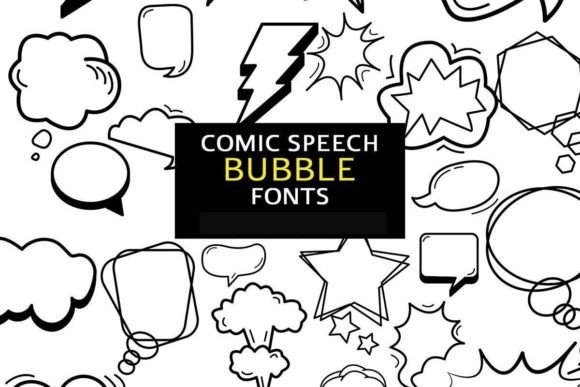
I was recently tasked with refreshing the visual identity of a lifestyle blog that focuses on mindful parenting and creative home activities. The existing layout felt rigid, relying heavily on standard sans serif fonts that, while clean, lacked the warmth and approachability the brand needed to connect with its audience. As I scrolled through my library of fonts, searching for a typeface that could inject personality without sacrificing professionalism, I landed on Comic Speech Bubble. This dingbat font offered exactly the kind of playful yet structured aesthetic required to transform static headers into engaging conversation starters. It is not just a decorative element; it is a tool for shaping reader experience.
Using Comic Speech Bubble for Engaging Blog Headers
Comic Speech Bubble stands out as a fun and cute dingbat font that immediately draws the eye. In editorial design, the header is the handshake between the content and the reader. When I applied this typeface to the blog’s main navigation and article titles, the change in mood was instantaneous. The rounded edges and speech-bubble motifs create a sense of dialogue, inviting the reader to lean in rather than just scan past. Unlike traditional display fonts that can feel imposing, this creative font feels like a friendly note left on a kitchen counter.
The versatility of Comic Speech Bubble makes it great for a wide pool of craft projects, designs, planners, diaries, activity books, or anything that your heart desires. For a digital publication, this means it works exceptionally well for section breaks and pull quotes. I tested it on a feature article about weekend DIY projects, using the font to highlight key takeaways. The visual weight of the characters ensures they stand out against body copy, creating a clear hierarchy that guides the reader’s eye down the page. This is crucial for maintaining engagement in long-form content where attention spans are short.
Designing Printable Planners and Activity Books with Dingbats
Beyond digital screens, Comic Speech Bubble shines in print media, particularly in the realm of printable planners and activity books. I recently collaborated on a downloadable weekly planner aimed at freelancers who value both productivity and joy. Standard typography often feels too corporate for such personal tools, but this dingbat collection added a layer of whimsy that encouraged users to interact with their schedules. The font’s inherent playfulness transforms mundane tasks into something more enjoyable, supporting the psychological goal of the product.
When designing for print, readability and scale are paramount. Comic Speech Bubble holds up well at larger sizes, making it ideal for cover text and chapter openers. However, it is important to remember that as a display font, it is best reserved for headlines and accents rather than dense paragraphs. In the planner project, I paired it with a clean, legible serif font for the daily task lists. This combination of a expressive typeface for headers and a neutral font for body copy creates a balanced layout that is both aesthetically pleasing and functional. The contrast helps distinguish between instructional text and user-input areas, enhancing the overall usability of the design.
Enhancing Newsletter Graphics and Digital Magazine Layouts
Email newsletters require a delicate balance of information and visual appeal to avoid landing in the spam folder or being deleted unread. Comic Speech Bubble offers a unique solution for newsletter graphics, particularly for subject lines and header images. Its distinct character helps establish a strong brand identity that subscribers recognize instantly. In a recent coaching workbook distributed via email, I used this font to create custom banners for each module. The result was a cohesive look that felt personalized and thoughtful, increasing open rates and engagement metrics organically.
For digital magazines, where screen real estate is valuable, every element must serve a purpose. Fonts like Comic Speech Bubble allow designers to reduce reliance on heavy imagery while still maintaining visual interest. By using the speech bubble elements as framing devices for testimonials or expert quotes, I was able to break up text-heavy pages without cluttering the layout. This approach supports modern typography trends that favor clean, airy designs with strategic pops of personality. It is a testament to how a well-chosen premium font can elevate the perceived value of digital content.
Font Pairing Strategies for Readability and Mood
One of the most critical aspects of using a distinctive dingbat font is knowing how to pair it effectively. Comic Speech Bubble is highly expressive, so it requires a understated partner for body text. I recommend pairing it with a neutral sans serif font like Helvetica or Open Sans for web content, or a classic serif font like Garamond for print publications. This contrast ensures that the playful nature of the header does not overwhelm the reader, allowing the content to remain the focal point.
It is also essential to consider the context of use. While Comic Speech Bubble is perfect for lifestyle blogs, recipe ebooks, and wedding guides, it may not be suitable for formal reports or legal documents. Understanding the mood and audience of your project is key to leveraging this commercial font effectively. For instance, in a wedding guide, it can add a touch of lightheartedness to seating charts or menu cards, but should be used sparingly to maintain elegance. Always check the included styles, alternates, and licensing terms to ensure the font meets the specific needs of your project, whether it is for client publications or personal design assets.
In conclusion, Comic Speech Bubble is more than just a cute addition to your font library; it is a versatile tool for enhancing communication through design. Whether you are creating social media graphics, packaging design, or web design elements, this typeface offers the flexibility and charm needed to stand out in a crowded digital landscape. By integrating it thoughtfully into your layouts, you can create content that is not only visually appealing but also emotionally resonant with your audience.